Home
Request Service
Vectors
Environmental
Outreach
Board of Trustees
Employment
Contact Us Transparency
 
Thursday, June 20, 2013
Vectors
MOSQUITOES

Mosquito

mosquitoes Mosquito educational material. Click on the thumbnail to download the PDF.

Orange County Vector Control District's (District) primary objective is to protect the people of Orange County from the dangers of vector-borne disease. A major component of our program is to educate the public about the shared responsibility of vector control. The District works hard to eliminate existing mosquito breeding sources and prevent new ones. The common goal is public health and enjoyment of our backyards and the many recreational facilities within the County. We also want to promote mosquito-free agricultural and industrial working conditions.


Biology

Mosquitoes have four different stages of their life cycle- egg, larva, pupa, and adult. During each stage of their life cycle the mosquito looks distinctly different than any other life stage.

Eggs: The most common mosquitoes lay egg rafts that float on the water. Each raft contains from 100 to 400 eggs. Within a few days the eggs hatch into larva. Raft Eggs
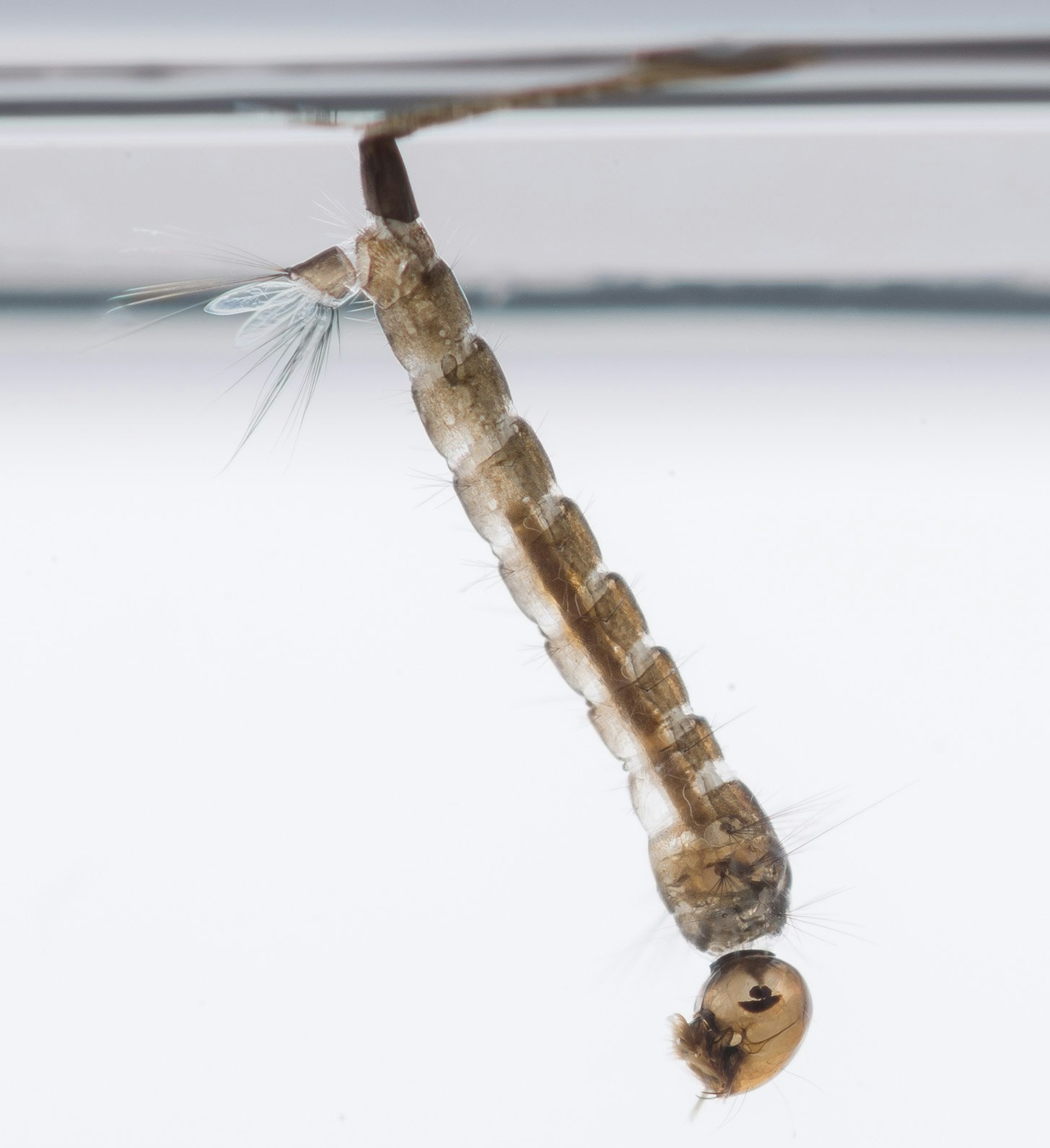
Larva: The larva or "wiggler" comes to the surface to breathe through a tube called a siphon. It then sheds its skin or molts four times during the next several days. It grows rapidly between each molt. After the fourth molt, it changes into a pupa. To see a video of larvae, click here. Larva
Pupa: The pupa or "tumbler" cannot eat. It breathes through two tubes, called trumpets, on its back. The adult mosquito grows inside the pupa and in two days, when it is fully developed, it splits the pupal skin and emerges to the adult stage. Pupae
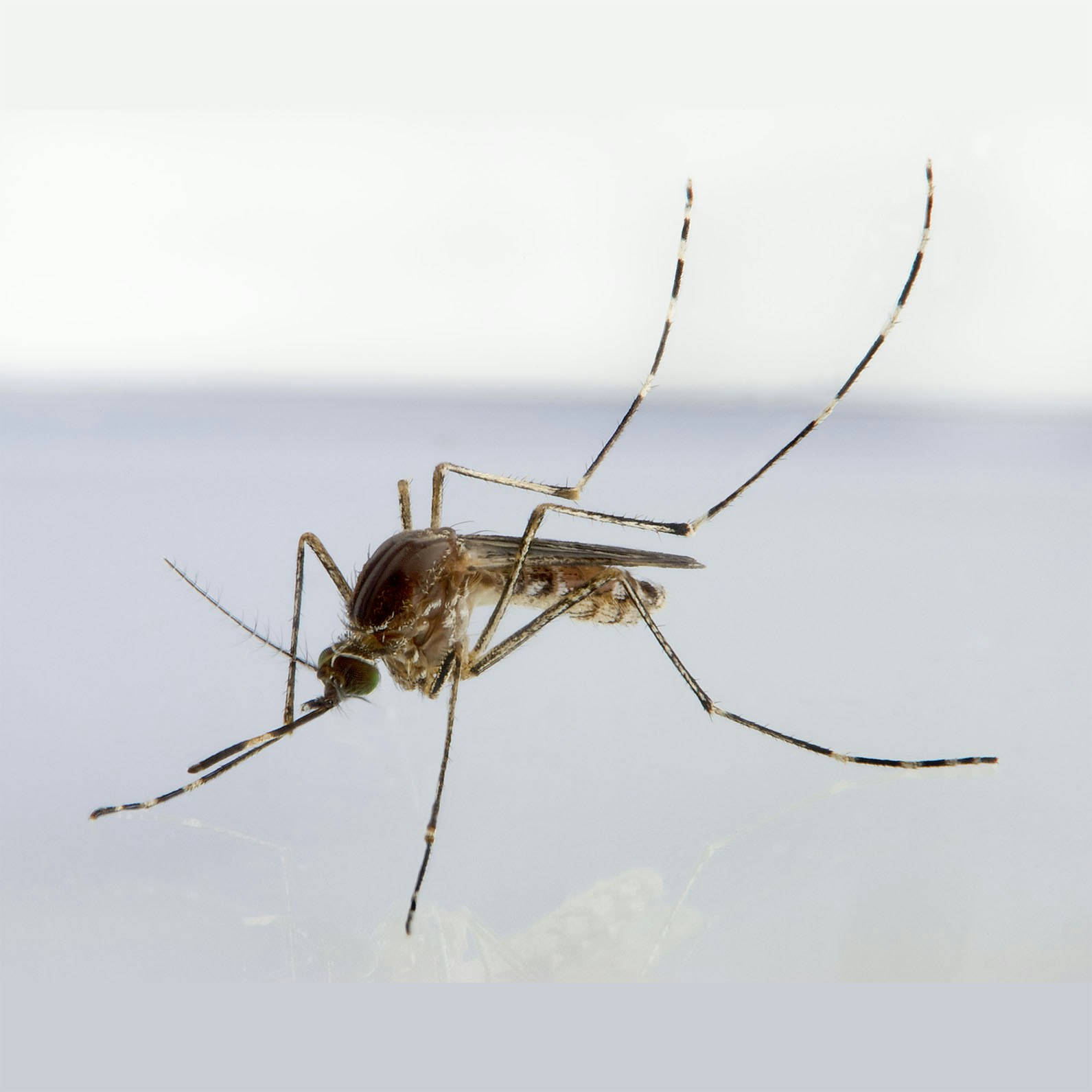
Adult: The newly emerged adult rests on the surface of the water until it is strong enough to fly away and feed. For a diagram of the mosquito's life cycle, click here. Adult mosquito

There are some insects that look very similar to mosquitoes. To see a list of these insects, click here.


Diseases

As well as being a pest, mosquitoes can carry numerous diseases that can make people and animals sick.

  • West Nile Virus: The disease that is of most concern right now in Southern California is West Nile virus (WNV). West Nile virus has been in the United States since 1999 and in California since 2003. West Nile virus is spread to humans by mosquito bite. WNV is a blood-borne disease; there have not been any cases of a person contracting the virus through everyday contact with infected individuals. Although, there are records of people contracting the disease through organ transplants and blood transfusions. There are three different gradations of WNV: West Nile virus, West Nile fever and West Nile neuroinvasive disease. Most of the public who contract WNV (about 80%) will never show any symptoms; this gradation of the virus is referred to as West Nile virus. About 20% of the population that contracts the virus will contract West Nile fever. Symptoms of this include fever, headache, nausea, possible rash. These symptoms are very similar to flu- like symptoms and many people who contract West Nile fever think they have the flu. The more severe cases of West Nile are the neuroinvasive diseases. These can include encephalitis, meningitis and mengioencephalitis. This gradation of the virus can lead to stroke-like symptoms, coma, paralysis and even death. About 1% of the population that contracts WN will get these more severe symptoms. Click here for more information on West Nile virus.

  • Encephalitis: There are three forms of viral encephalitis transmitted by mosquitoes in Orange County: West Nile, St. Louis and Western Equine. All are carried by wild birds, most of which show no symptoms. Infected birds are then bitten by local mosquitoes that can pass the virus on to humans through future bites. Symptoms of encephalitis range from mild flu-like illness to severe brain inflammation that can cause death. West Nile virus and Western Equine encephalitis can affect horses and other animals as well as humans.

  • Malaria: Malaria is much less likely to occur in Orange County due to the necessity for human reservoirs of the disease. Anopheles mosquitoes, the vectors of malaria, are found in some areas of California, and there have been isolated instances where human reservoirs from other countries temporarily provided a source of malaria infection to local residents.

Click here to find out more on what you can to control mosquitoes.
Click here to find out more about what the District does to control mosquitoes.


home | request service | vectors | environmental program | outreach | board of trustees | employment | contact us | employee login | employee continuing education


© Web Site Created by Orange County Vector Control District (OCVCD)